
Finding the Best UCL Accommodation Options

A UCL campus building off Gower Street.
Choosing where to live during your time at University College London (UCL) is an important decision that can shape your entire university experience. Whether you're an international student exploring London for the first time or a local looking for the right fit, understanding your accommodation options is essential. The right living environment can support your academic success, social life, and overall well-being.
This guide breaks down the main types of UCL accommodation—both on-campus and off-campus—to help you make an informed choice. By weighing the benefits and drawbacks of each option, you can find a living arrangement that aligns with your goals, lifestyle, and budget.
UCL offers a diverse range of student housing, from traditional halls of residence to modern student apartments. Each option has its own advantages, so exploring them thoroughly will help you identify the best match for your needs.
Some students prioritise proximity to campus, while others value independence or the cultural experiences that come with living off-campus. Understanding your own priorities will help ensure your living situation enhances your university life rather than complicating it.

Life at UCL during the summer.
On-Campus Living
Living on campus is a convenient choice for students who want to be close to their classes and campus facilities. UCL provides several types of on-campus accommodation, ranging from lively communal halls to quieter residences that offer more privacy.
On-campus housing fosters a strong sense of community and can make it easier to take part in university activities, meet new people, and settle into campus life. The ability to walk to classes, libraries, and other facilities also simplifies the transition to university.
Benefits of Living On-Campus
Proximity to Campus: Quick access to classes and university buildings saves time and reduces transport costs.
Community Atmosphere: On-campus living helps you connect with fellow students and build a supportive network.
Inclusive Utilities: Rent often includes utilities such as electricity, water, and internet, making budgeting simpler.
Drawbacks of Living On-Campus
Limited Space: Rooms are often smaller, and shared kitchens or bathrooms may require adjustment. Often you are relying on how clean / quiet your flatmates are in the building.
High Demand: Popular residences fill up quickly, so it’s important to apply early and have backup options.
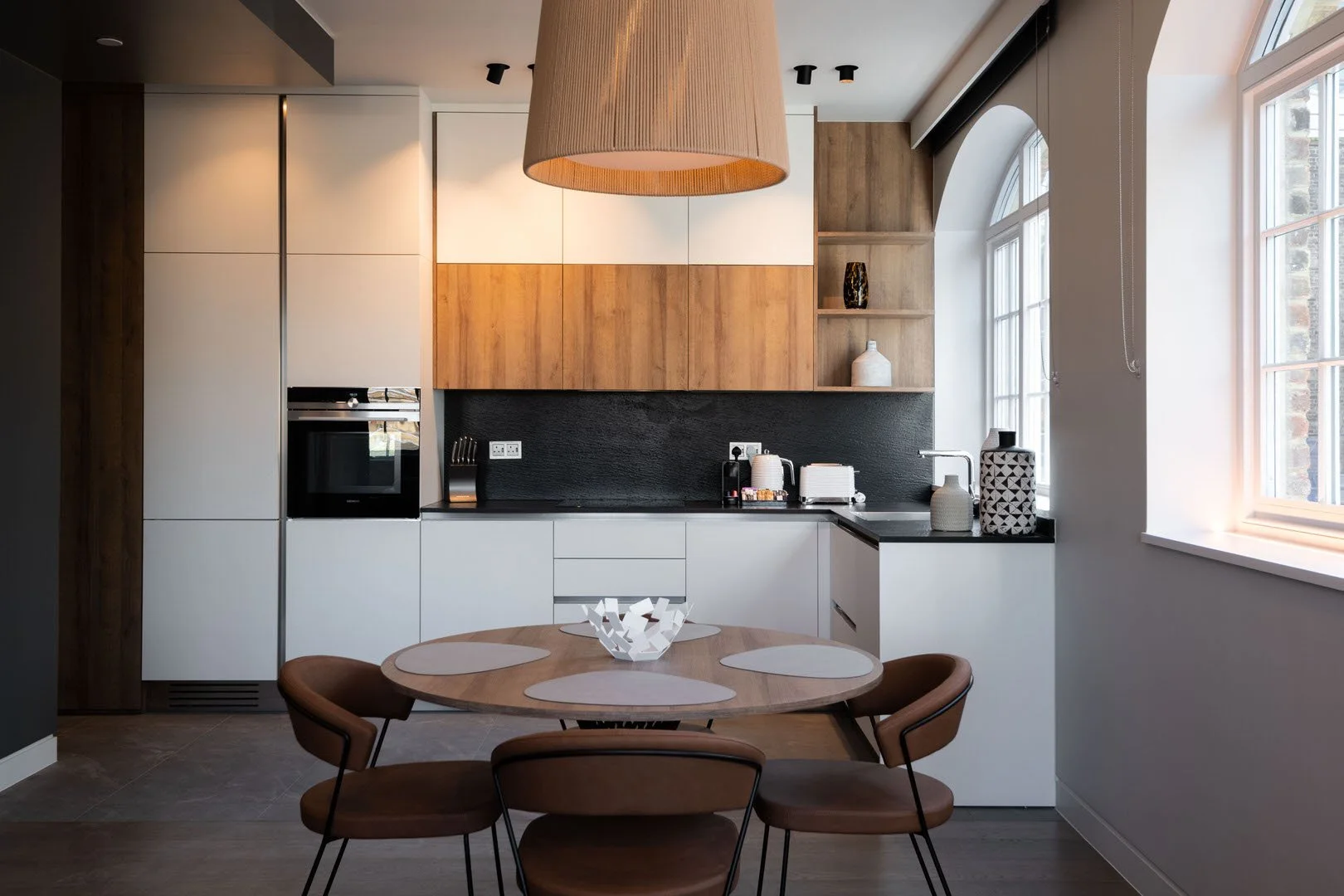
A private Student Luxe apartment near UCL.
Off-Campus Living
For students seeking independence or wanting to explore life beyond the university, off-campus housing is an excellent choice. London’s diverse neighbourhoods each offer their own atmosphere, from lively nightlife hubs to quieter residential areas.
Off-campus living allows you to experience the city’s culture more fully and choose a home environment that suits your preferences, whether that’s more space, more privacy, or a particular neighbourhood vibe.
Most Popular Off-Campus Options
Private Halls: Purpose-built student complexes provide modern amenities and a balance of independence and community. Locations vary - so pay close attention to these building addresses and make sure they’re easily commutable to UCL.
Student Apartments: Companies like ours that offer the best luxury student accommodation London has to offer give guests a premium, all-inclusive option that provides greater comfort, flexibility & service.
Private Rentals / Flatshares: Guests who want to commit to year-long contracts can get a flatshare with others that are ideal for living with friends.
Benefits of Living Off-Campus
Greater Independence and Flexibility: Living off-campus gives you far more control over your daily life. You can choose your flatmates (or go private), set your own routines, and create a living environment tailored to your preferences - whether that means a quiet study-focused space or a more social atmosphere. This freedom allows you to structure your university experience in a way that truly suits your lifestyle.
More Space, Privacy, and Comfort: Off-campus housing often provides larger rooms, private bathrooms, or shared living spaces you can personalise. This extra comfort can make a significant difference to your well-being, especially if you value peace, quiet, or the ability to decorate your space. Many students find that the added privacy helps them study more effectively and feel more at home.
Real-World Experience and Personal Growth: Managing rent, bills, household responsibilities, and landlord communication gives you practical skills you’ll use long after graduation. Living off-campus encourages maturity, organisation, and independence, helping you transition smoothly into adult life. These experiences can be just as valuable as academic learning.
Access to live like a Londoner: Living off-campus opens the door to exploring London’s rich mix of communities. Each neighbourhood has its own culture, atmosphere, and amenities - from cafés and parks to gyms, markets, and nightlife. Immersing yourself in the city enhances your university experience and broadens your horizons far beyond the campus environment.
Drawbacks of Living Off-Campus
Commuting: Travel time and costs can add up, so access to public transport is important.
More Responsibilities: You may need to manage bills, rent payments, and landlord communication on top of your studies.
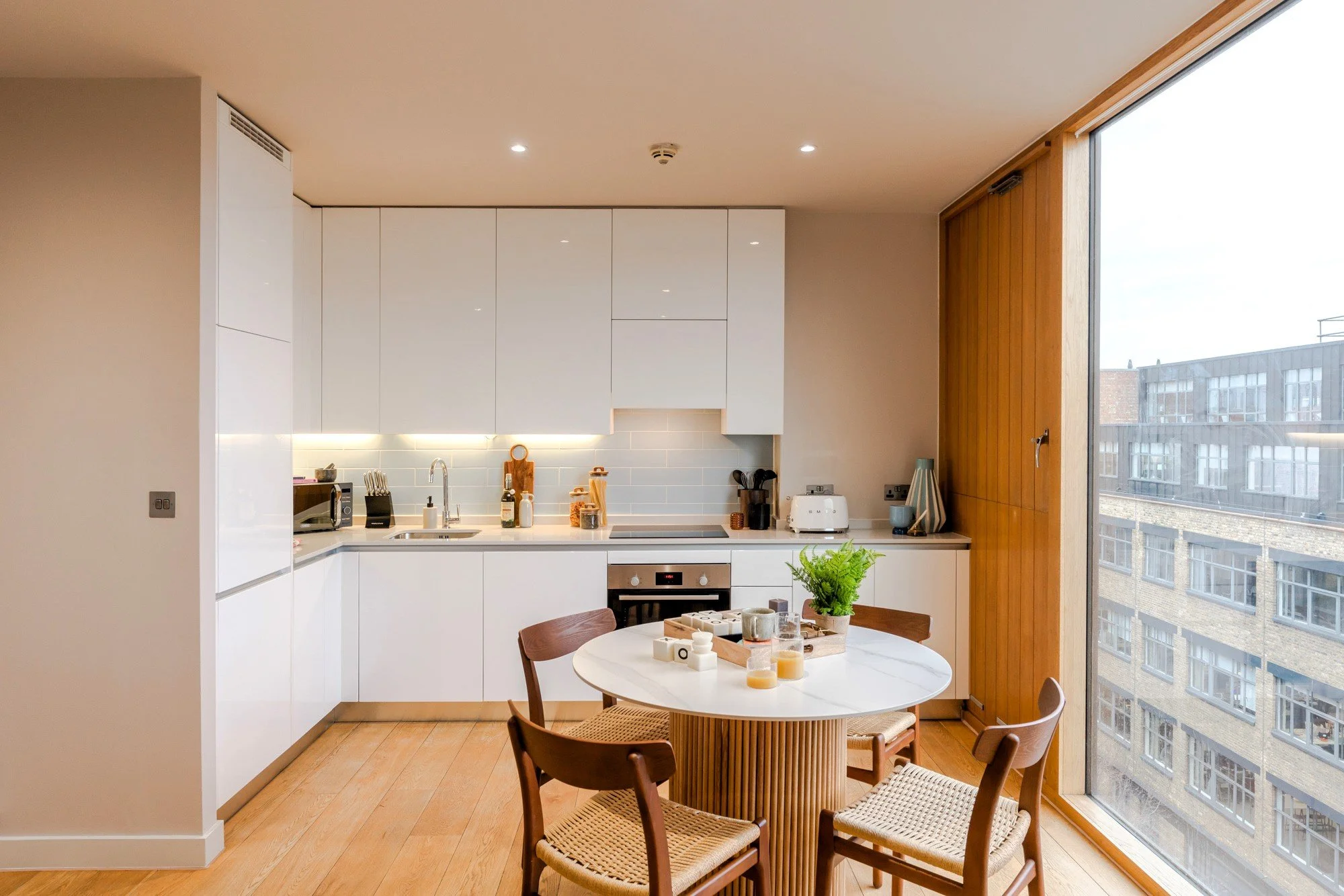
How to Choose the Right Accommodation
Your housing preferences will depend on personal priorities, budget, and lifestyle. Here are some key factors we think are worth considering:
Budget & Location
Student accommodation options in London vary widely, and what’s available to you will depend heavily on your budget. Central areas such as Marylebone, Mayfair, and Covent Garden are very close to many university campuses, making them convenient - but they’re also some of the most expensive neighbourhoods in the city, so the cheaper options go fast - and the private apartments are only really affordable to the top 10% of students & families.
Because of this, many students choose to live farther outside central London, where rent is more affordable. Popular student-friendly areas include zones 2–4, where you’ll find cheaper housing and good transport links. Commuting into campus by Tube, bus, or train is very common, and London’s extensive public transport network makes it manageable.
Lifestyle Preferences
Think about what kind of environment suits you best. Do you prefer quiet or lively surroundings? Are you comfortable sharing facilities, or do you value privacy? Students who want to get stuck in to university life might prefer living in university halls or shared accommodation - but those who want to focus on their studies, and have a private city sanctuary all to themselves will want a private apartment.
Amenities
Check what amenities are included - such as internet, laundry facilities, study areas, or gyms - as these can significantly affect your daily comfort. 24 hour receptions provide security for students - and added peace of mind for parents.
Visits and Viewings
If possible, visit potential accommodations to get a feel for the space and surroundings - even if its just a virtual viewing. Seeing the environment firsthand can help you make a more confident decision, and pictures online can sometimes be misleading.

Final Thoughts
Finding the right accommodation is a key part of building a successful and enjoyable university experience. Whether you choose to live on-campus or off-campus, consider your budget, lifestyle, and priorities to make the best choice for your time at UCL.
Start your search early, explore all your options, and choose a place that will support both your academic journey and personal growth. With the right preparation, you’ll find a comfortable home that enhances your university experience from day one.
About the authors
At Student Luxe, we’ve been hosting students since 2019 in our private apartments near UCL - which can be found here. Whilst we are at the higher-end of the market budget-wise, we are always here to offer advice and recommendations to anyone wanting to understand their accommodation options for studies at UCL.
Thanks for reading.