

Whether you're coming to London, Cambridge, Edinburgh - or any other UK city, navigating a move can be thrilling but overwhelming.
We believe that the right guidance goes a long way, so hopefully there’s some juicy tips in the post to help you settle in, get practical things sorted, and start making the most of your new experience.
From sorting out your SIM card and setting up a bank account, to exploring the best green spaces and discovering student deals, here’s everything you need to feel at home fast.
Arriving.

The majority will most likely land in London at Heathrow or Gatwick – London’s two main international airports. Both offer various ways into central London & onwards to other cities.
From Heathrow:
Elizabeth Line – Direct to central London in approximately 35 mins. Affordable and comfortable.
Heathrow Express – Fastest (to Paddington in 15 mins), but pricier.Piccadilly Line (Tube) – Cost-effective, with stops at key stations like Holborn and Leicester Square.
Airport coaches – Slower but useful if you’ve got time and heavy luggage.
From Gatwick:
Gatwick Express – Fast route to Victoria Station (30 mins).
Thameslink trains – Budget-friendly; stops include London Bridge and Farringdon.
Southern Rail – Another affordable option to Victoria.
National Express coaches – Slower but convenient for direct routes.
Taxi and private hire:
If you're travelling with multiple bags or arriving late, booking a taxi or private car in advance might save you hassle. Services like Addison Lee – our provider of choice – allow pre-booking and are known for reliability.
Navigating London.

London’s public transport is extensive and efficient once you understand how it all connects.
Underground (Tube)
The Tube is the most convenient way to get around quickly. The Central, Victoria, Elizabeth, and Jubilee lines are best for accessing major areas in central London.
For more tips on using the tube, read our 13 Tube hacks that every London newbie needs.
Trains
The overground rail network connects many London suburbs and integrates with the Tube system. Major stations like King’s Cross, Waterloo, and London Bridge act as key hubs.
Buses
Buses operate 24/7 and often go where trains can’t. At £1.75 a journey (capped daily), they’re an affordable and scenic way to explore. Try route 11 for a sightseeing tour of the city from the top deck.
Cycling
London has become increasingly bike friendly. You’ll find various bike rental services across the city, including Lime (electric) and Santander Cycles – which are ideal for journeys to and from campus. Day or weekly passes make them a cost-effective option.
For more cycling tips, including bike hire costs, read our student guide to two-wheeled freedom.
Boats
The Thames Clippers (aka Uber Boat) offer a surprisingly quick way to travel along the river – particularly between Greenwich, Westminster, and Bankside.
Staying healthy: Registering with the NHS.

To access local health services, you should register with a General Practitioner (GP) soon after arriving.
How to register:
Find a local GP surgery (see NHS website for details).
Complete the relevant registration forms with your personal and medical details.
Provide ID and proof of address.
Wait for confirmation, which may take a few days.
If you’re unsure how to register or which surgery to choose, speak to your school or university’s support team – they’ll point you in the right direction.
Setting up your finances.

Opening a UK bank account simplifies everything from paying rent to using delivery services.
What you’ll need:
Passport or national ID
Proof of address (e.g., tenancy or accommodation letter)
Proof of student status (e.g., enrolment confirmation)
Traditional banks like Barclays and NatWest may take a few days and require in-person appointments. Digital-first banks like Monzo, Revolut, and Starling offer quick sign-ups via app, ideal for short-term stays.
Exchanging currency.
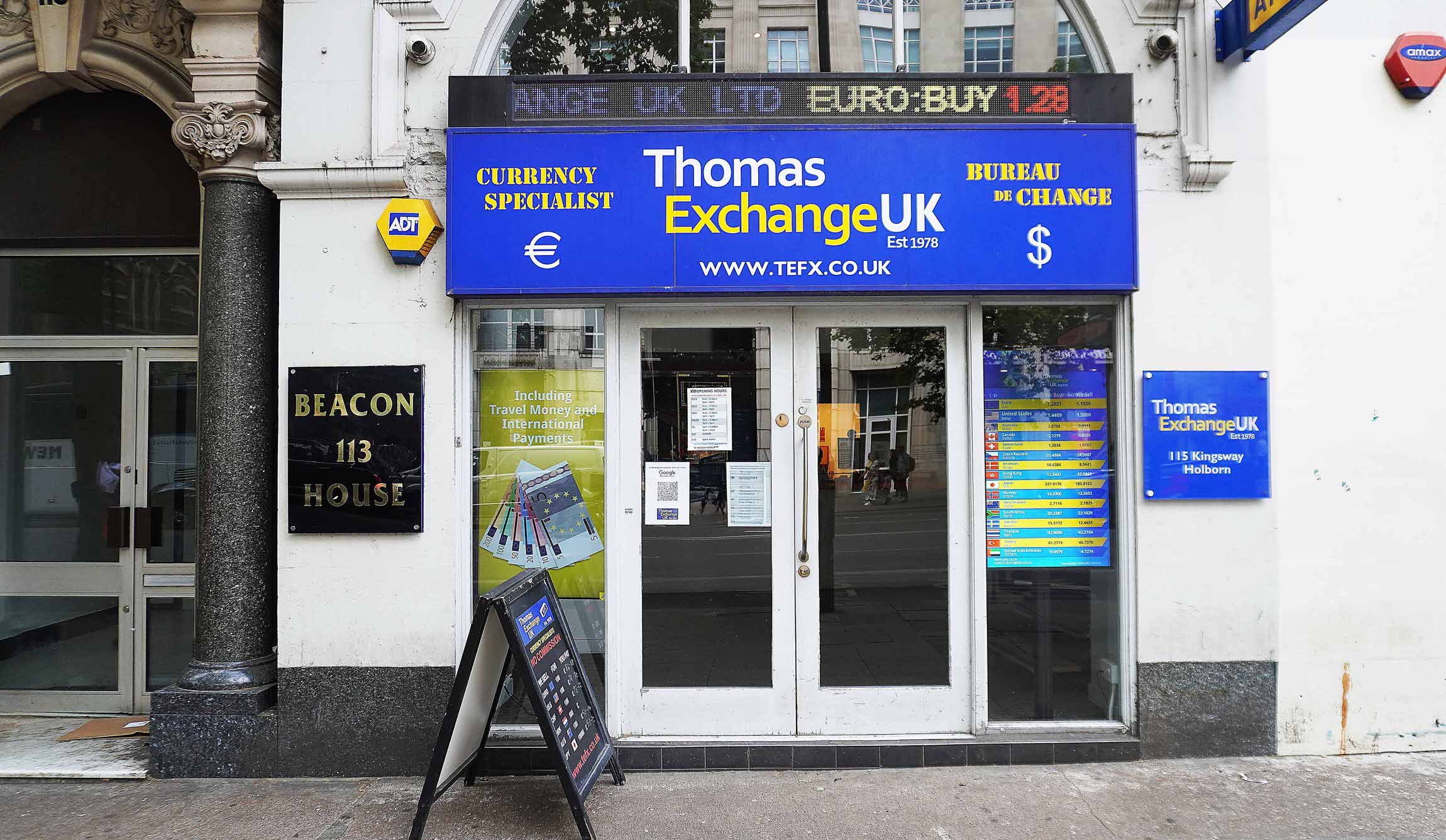
Avoid airport exchange desks if possible. Instead, try:
Thomas Exchange Global – Great rates and low or no commissions.
Post Offices – Many offer bureau de change services.
Staying connected.

Buy a UK Pay As You Go (PAYG) SIM to save on roaming charges. Available from supermarkets and mobile providers.
Popular student-friendly options:
Lebara
Lycamobile
giffgaff
These brands are known for good international call rates and flexible data bundles.
Grocery shopping.

You’ll find everything from full-size supermarkets to mini-stores scattered across London:
Mainstream options: Sainsbury’s, Tesco, M&S, Waitrose
Budget stores: Lidl, Aldi
International options: Whole Foods, Japan Centre, Asian supermarkets
For everyday basics, Tesco Express and Sainsbury’s Local are on most corners.
Convenience stores (Cornershops).
Cornershops stock essentials like snacks, toiletries, SIM cards, and phone top-ups. Many are open late or even 24/7. Think of them as your local go-to for last-minute supplies.
Medicine and pharmacies.

Need a prescription or just something for a headache?
Boots and Superdrug are the main pharmacy chains.
Independent pharmacies are scattered around central London.
Some supermarkets like Tesco also have pharmacy counters.
You’ll need a prescription for certain medications, but basics like painkillers and allergy relief can be bought over the counter.
Electricals and charging.
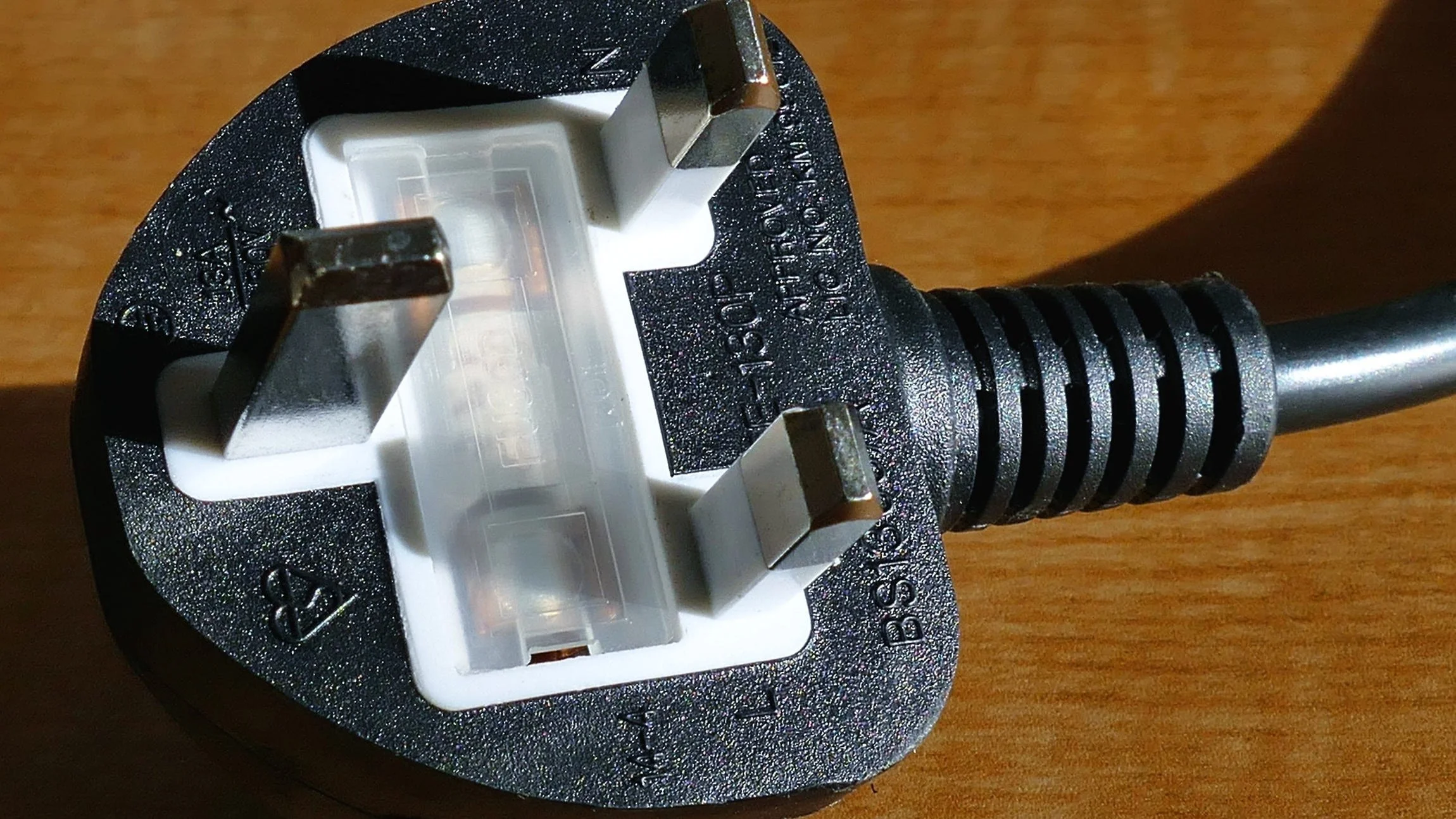
Don’t fry your devices! Here’s what to know:
The UK uses Type G plugs (three rectangular prongs).
Voltage is 230V – higher than in some countries like the US (120V).
Bring a plug adapter or buy one when you land.
Voltage converters may be needed for older or sensitive electronics.
Personal safety.

UK cities are generally safe, but it pays to be alert – especially in busy areas or at night.
Safety basics:
Stay aware of your surroundings (especially when using your phone).
Stick to well-lit streets and travel in groups when possible.
Keep valuables out of sight.
Use only licensed taxis, ideally a Black Taxi.
Register and lock your bike securely.
In an emergency:
Call 999
For non-urgent police matters, call 101
Student discounts and savings.

Your student ID is your golden ticket to a range of deals across the city.
Popular discounts include:
30% off Travelcards via the 16–25 Railcard or 18+ Oyster.
Deals on fashion and electronics at Apple, ASOS, Samsung via UniDAYS and Student BeansFood discounts at Franco Manca, PizzaExpress, Wasabi, and more
Cheaper cinema and theatre tickets (try TodayTix or student rush deals)
Discounted gym memberships (e.g., PureGym, university gyms)
A little about us
Living and studying in the UK is an unforgettable experience. Whether you’re here for a summer course, a semester, or longer - enjoy every second, ask for help when you need it, and don’t forget to explore.
We offer premium apartments in the heart of UK cities - with flexible stays, top amenities, and support whenever you need it. Reach out to us if you need help finding a place.
Here’s to an incredible chapter in the UK!
