
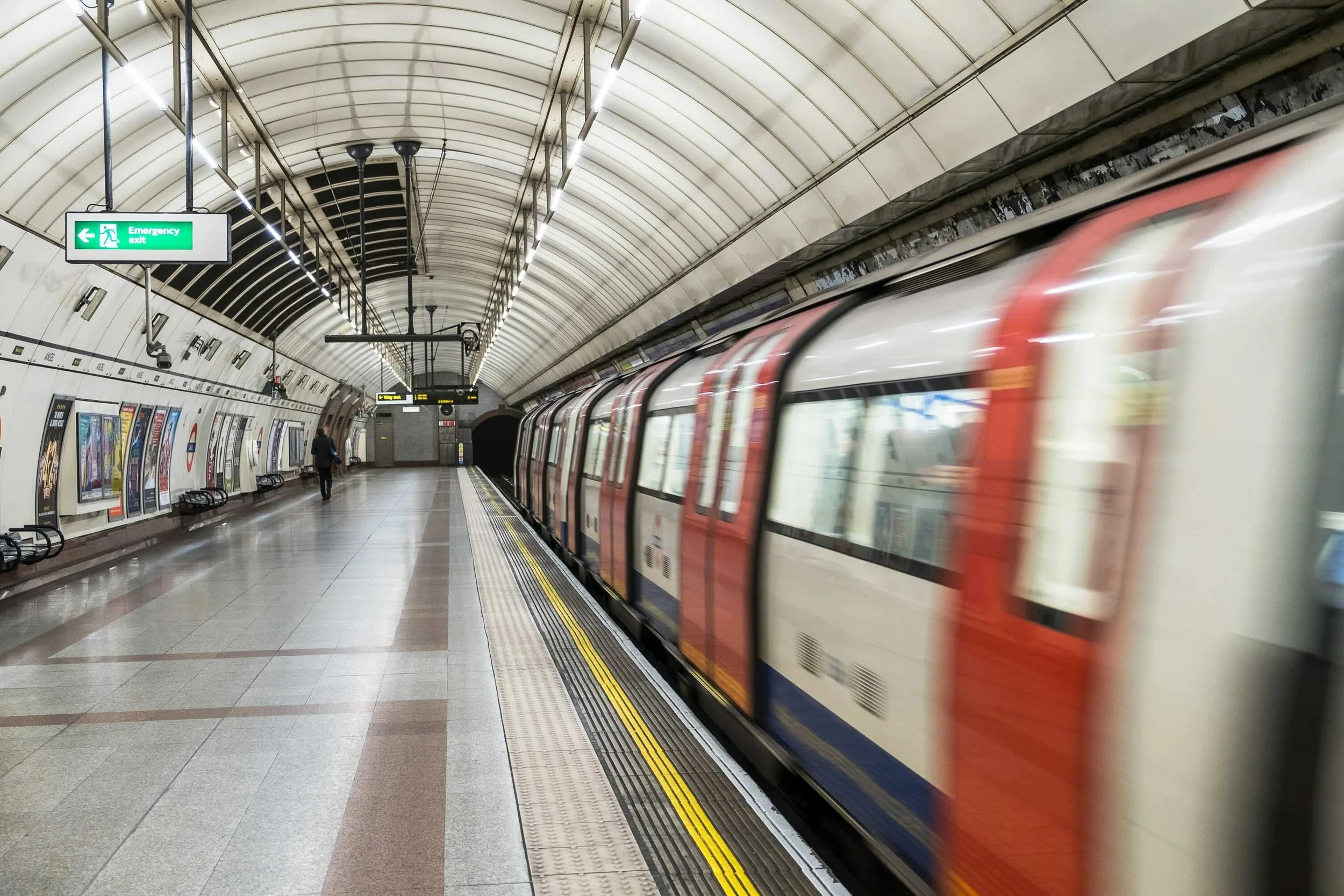
Just moved to London? Your first Tube journey can involve a few surprises: trains heading to different destinations from the same platform, colourful card readers, and stations that are much closer together than the map suggests.
Whether you've just moved into one of our student apartments in London, starting a new job or exploring your neighbourhood, a few practical London Underground tips can make getting around feel much easier. Here are 13 Tube hacks to help you avoid common mistakes, save money where you can, and travel with confidence.
1. Pick one way to pay and stick with it
You can use an Oyster card, a contactless bank card or a supported mobile wallet for pay-as-you-go travel. Whichever you choose, use the same card or device for every journey.
That's because of fare capping. Once your pay-as-you-go spending in a day reaches a set limit (the daily cap), you won't pay any more that day, however many journeys you make.
But capping only works on a single card or device. Your phone, smartwatch and physical bank card are treated separately, even when they're linked to the same bank account. Tapping in with your phone and out with your card can leave you with incomplete journeys, extra charges and no cap.
2. Always tap out, even when the gates are open
Touch in on a yellow reader when you start your Tube journey and touch out when you finish. Open gates don't mean you can skip the final tap.
Miss a tap, and you could be charged a maximum fare. If an amount looks wrong, check your journey history through your TfL contactless and Oyster account, where you can also check whether a refund is available.
Taking a bus instead? You only tap in. With the Hopper fare, you can make unlimited bus and tram journeys within one hour of your first tap for the price of one.
3. Check what the Student Oyster actually discounts
If you're eligible, an 18+ Student Oyster photocard gives you 30% off adult-rate Travelcards and Bus & Tram Pass season tickets. It doesn't discount individual pay-as-you-go journeys.
Eligibility includes living in a London borough during term time and meeting TfL's course and institution requirements. Apply once you're enrolled, and compare the discounted Travelcard with your usual travel costs before buying a pass.
A daily commute and a timetable with only a few campus days can call for different options.
4. Add an eligible Railcard to your Oyster
With a 16–25 or 26–30 Railcard discount added to your Oyster, you can get a third off eligible off-peak pay-as-you-go fares. Ask a member of staff at a Tube station to add it, and carry your Railcard when you travel.
The discount isn't currently available on contactless bank-card or mobile-wallet. You can also add it to an eligible Student Oyster, but the Railcard and Student Oyster discounts apply to different products; they don't combine into one bigger discount on a single fare.
5. Understand zones and pink readers
London is divided into fare zones 1 to 9. Check which zones your home, university and workplace are in. The zones you travel through help set the fare, so your route matters as well as where you start and finish.
On some journeys that avoid Zone 1, you'll see pink readers at interchange stations. Touching one confirms the route you've taken. Use them when they apply as you change trains, and still touch in and out on yellow readers at the beginning and end.
If you're unsure, ask station staff rather than guessing.
6. Travel off-peak when your schedule allows
Standard pay-as-you-go peak times are Monday to Friday, excluding public holidays, from 06:30–09:30 and 16:00–19:00. Your fare depends on when you touch in.
If your timetable is flexible, travelling outside these times can save you money where off-peak fares apply. Don't assume every weekday journey after 09:30 is off-peak, because the afternoon peak counts too.
There are exceptions. For example, some afternoon journeys into Zone 1 are charged off-peak, while Heathrow journeys via Zone 1 are always peak. Use TfL's fare guidance to check your route.
7. Check your route before leaving home
Make checking live travel information part of your routine. Use TfL's journey planner or TfL Go app to plan your trip and check for disruptions before you set off.
Allow extra time for your first journey to a lecture, meeting or appointment. Check the route to the actual building, not just the nearest station, because that final walk is part of your commute too.
8. Read the destination, not just the line name
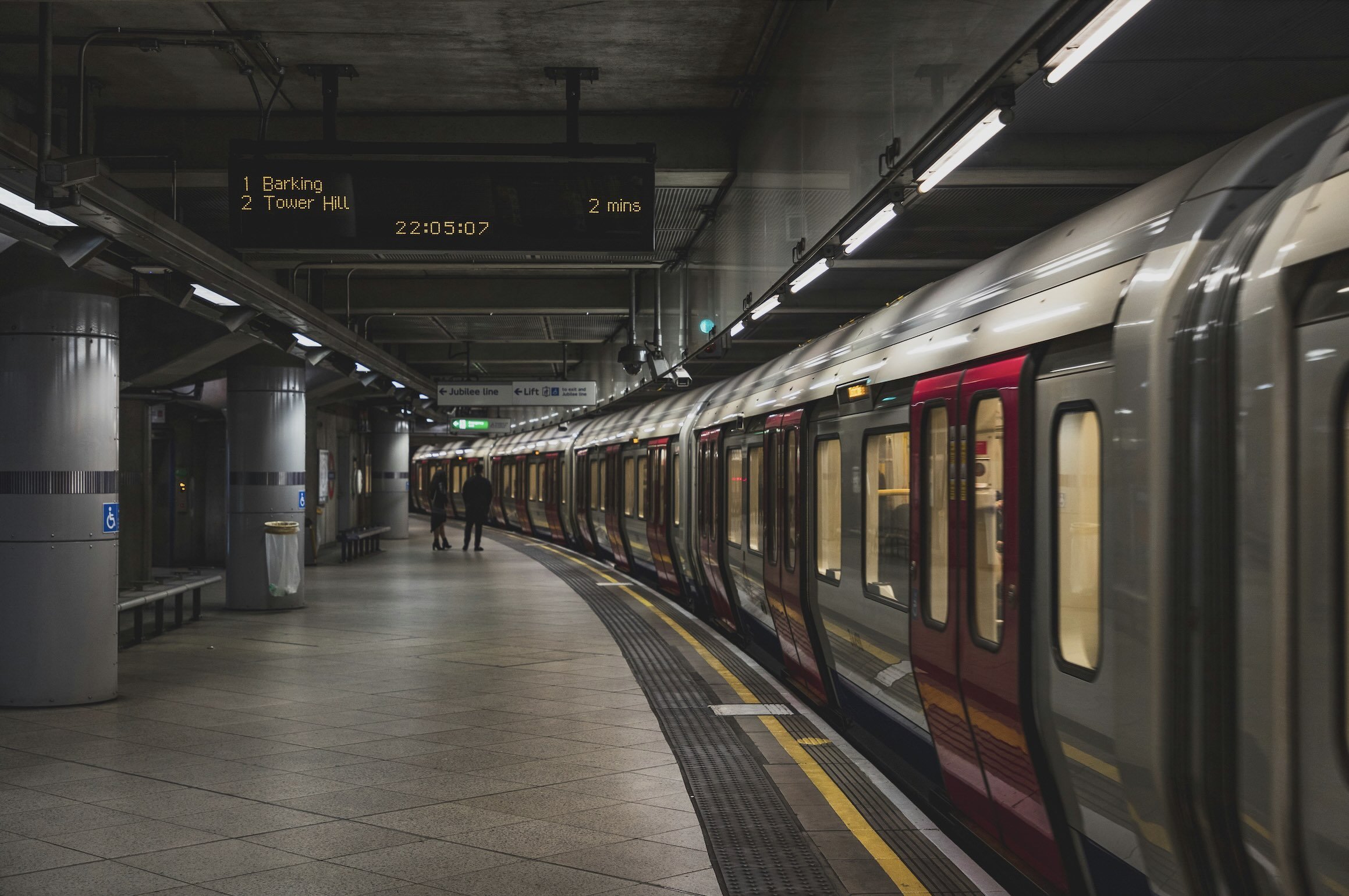
Being on the right line doesn't always mean you're on the right train. Some lines have different branches, so check the destination on the platform display before boarding.
For example, if you're heading home to Battersea Power Station, make sure your Northern line train is going there rather than to Morden. It takes seconds and can save you an unexpected detour.
Thinking about making the area your home? Read our guide to living in Battersea, covering local life and transport connections.
9. Check whether walking is quicker
The Tube map is useful for connections, but it isn't a street map. Stations that look far apart can be surprisingly close above ground.
Before making a short trip, compare the walking route with the full Tube journey, including getting down to the platform and back out again. Leicester Square and Covent Garden are a good pair to check.
You might save a fare and find a new coffee stop along the way.
10. Choose changes that work for you
A route with fewer stops isn't necessarily the easiest journey. Long walks between platforms, stairs and crowded stations can all affect how a trip feels.
Compare alternatives when planning, especially if you're carrying suitcases or need step-free access. A slightly longer ride with fewer changes might suit you better.
When choosing an apartment, do the same comparison for your everyday commute: look at the full door-to-door journey.
11. Plan your journey home before a night out
The Tube doesn't run all night across the whole network. Night Tube services run on Friday and Saturday nights on parts of the Central, Jubilee, Northern, Piccadilly and Victoria lines.
Check the Night Tube map and service information for your specific station and branch. Being on a Night Tube line doesn't guarantee your stop is served overnight.
On other evenings, check your last connection and have a backup in mind, such as a night bus or a licensed minicab, before you head out.
12. Save your route for offline use
Most Underground stations now have 4G and 5G mobile coverage, and TfL is aiming to connect the whole network, including tunnels, by the end of 2026. Until then, some sections may still drop signal.
Take a screenshot of your route and download your playlist or podcast before you leave. Keeping your destination and any changes handy makes your first few trips easier.
13. Learn the little habits that keep everyone moving
Stand on the right on escalators, leaving the left side clear for people walking. Let passengers off before boarding, move away from the doors when there's space, and take your backpack off in a crowded carriage.
Have your payment card or phone ready before reaching the gates. If you need to check directions, step aside first so others can pass.
These small habits soon become yours and make travelling more comfortable for everyone.
A little about us
Getting comfortable with the Tube is part of settling into London. Finding a home that works for your daily routine can make that transition easier too.
At Student Luxe, we help students and professionals find fully-furnished, all-inclusive apartments across London. With equipped kitchens, Wi-Fi, bills, and weekly housekeeping included, you can spend more time enjoying the city. Extra amenities, such as a gym or concierge, vary by property.
We're a family-run boutique agency, and every enquiry goes directly to a real member of our reservations team. Tell us your preferred area, budget, dates, and where you'll be studying or working, and we'll help you explore a curated selection of homes. Once you've chosen, we'll handle the paperwork and prepare for check-in, with support throughout your stay.
Available by enquiry only.
