
Living in Marylebone: A Student's Guide to London's Most Quietly Brilliant Village
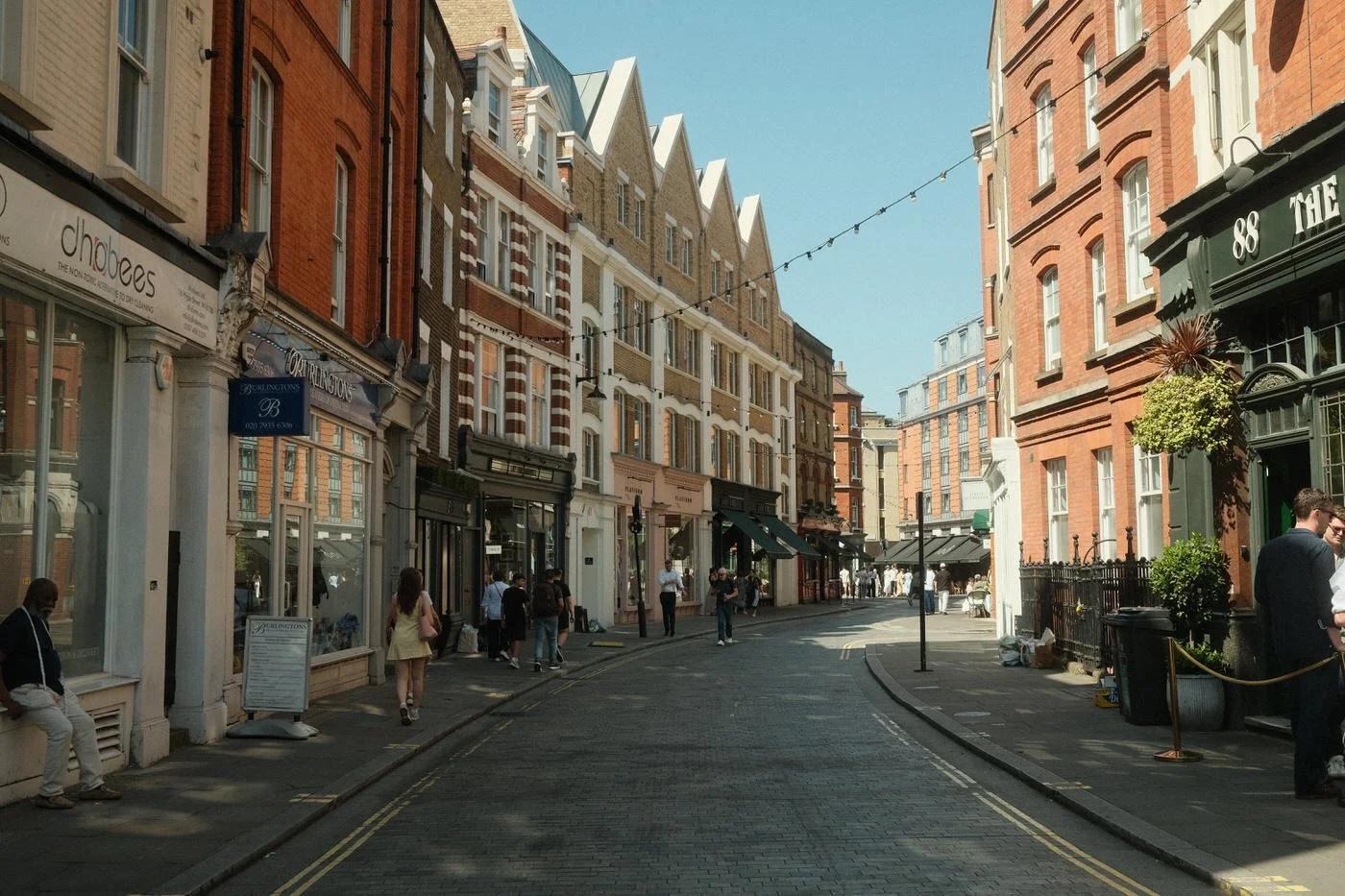
Georgian terraces, ninety-two acres, and a high street where Paul McCartney once wrote 'Yesterday' in a box room. Marylebone is the West End's best-kept secret, and one of the smartest addresses a student in London can choose.
Marylebone in one breath
Marylebone is the village that London accidentally tucked inside itself. Sit on Oxford Street and you're in the loudest stretch of retail in the country. Walk three minutes north and you're in a quiet grid of Georgian terraces, family-run cheese shops, independent bookstores, and people who walk their dogs at the same time every morning. It's the same postcode, but it might as well be a different city.
For a student, that contrast is the value. You're a five-minute walk from Selfridges. You're a ten-minute walk from Regent's Park. You're surrounded by some of London's best restaurants. And you go home, every night, to one of the most architecturally beautiful and genuinely liveable neighbourhoods in the capital.
Two estates, one village
Most of London evolved street by street. Marylebone was laid out. From the late 18th century onwards, the Portman family and the Howard de Walden family (which still owns most of Marylebone Village today) commissioned an orderly grid of Georgian terraces, garden squares and mews streets across what had been open parkland. To the north, what remained of the open ground was redrawn by John Nash in the 1820s and became Regent's Park.
The result is a neighbourhood that covers just 92 acres but contains an extraordinary density of period architecture: cream-painted stucco fronts, red-brick mansion blocks, wrought-iron balconies, Edwardian shopfronts that have stood for over a century. Because so much of it sits within a single estate, the look is unusually consistent. Marylebone has the rare distinction of being a piece of central London that has been actively curated for nearly 250 years.
Off the high street: the mews
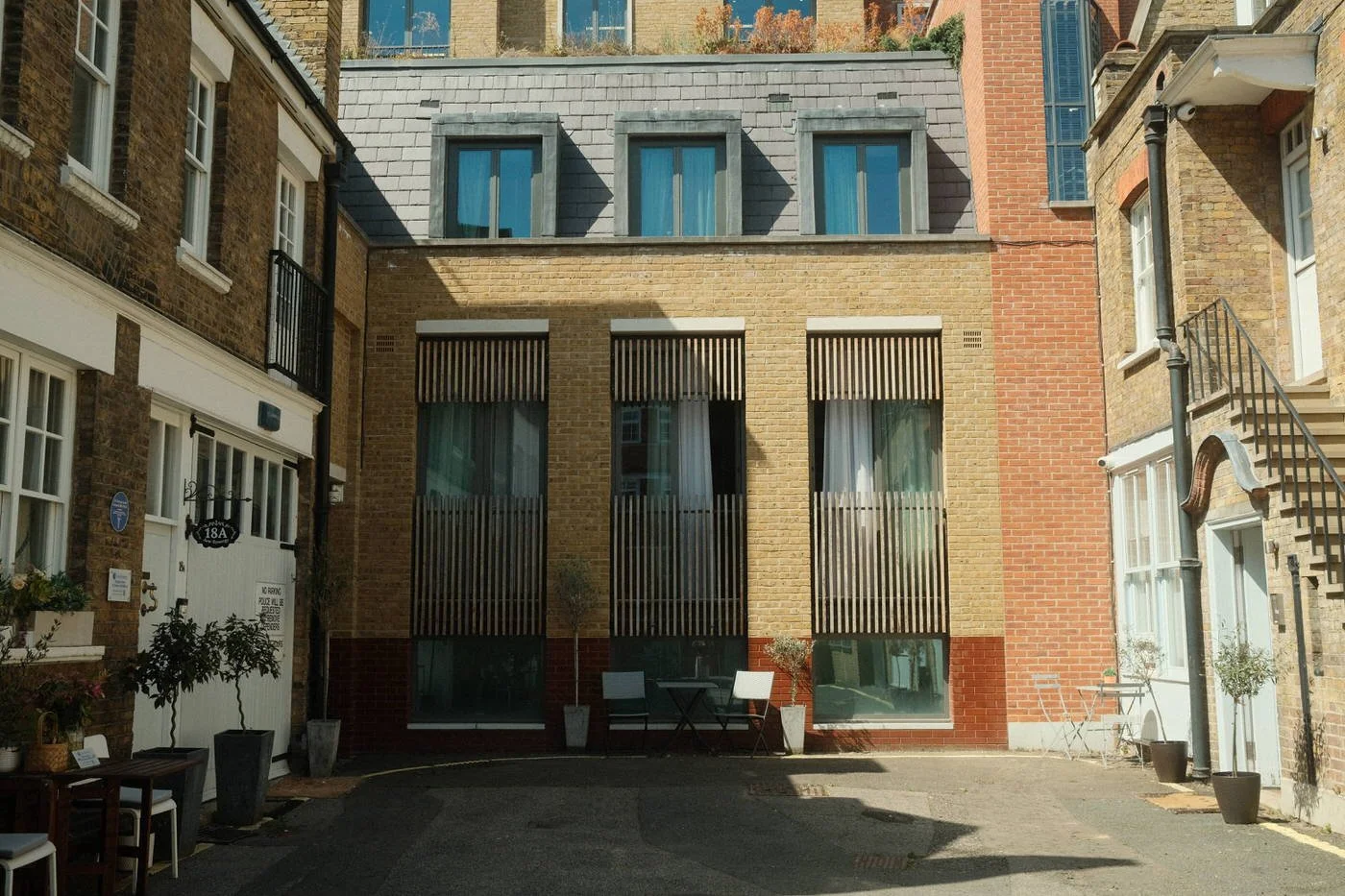
Walk off the main streets and you'll find Marylebone's other layer: the cobbled mews. Once the working back-streets of the big Georgian houses, places like Devonshire Mews West, Montagu Mews North, Cross Keys Close and Seymour Mews are now some of the most coveted addresses in W1. Many have been carefully restored into compact period homes, often only ten or twenty houses to a street, set back from the main thoroughfares and tucked behind their own archways. The combination of cobbles, low-rise architecture, and a tight knot of neighbours produces something genuinely rare in central London: a sense of community.
The famous neighbours
A short, very partial list of people who've called Marylebone home:
Paul McCartney, who lived at 57 Wimpole Street with the Asher family in the mid-1960s and is said to have written Yesterday in the box room there.
John Lennon, in a flat at 34 Montagu Square, just off Montagu Mews North.
Charles Dickens, who lived for over a decade at 1 Devonshire Terrace.
Jimi Hendrix, Madonna, Sir Paul McCartney (still spotted in the area), Lord Byron (baptised at the old Marylebone church).
The Beatles' Apple Corps, originally headquartered at 95 Wigmore Street.
And, of course, Sherlock Holmes, the world's most famous fictional resident, at 221B Baker Street.
Most of them won't be at the next table at La Fromagerie. But you may, on a quiet Tuesday, walk past Abbey Road Studios and see a coach party reconstructing an album cover. It is that kind of neighbourhood.
Where to eat, when your parents visit
Marylebone punches well above its 92 acres on the dining front, and the standard is consistently high.
Chiltern Firehouse for the table you can't get. Famously hard to book, equally famously worth the patience. Brunch is the easier route in.
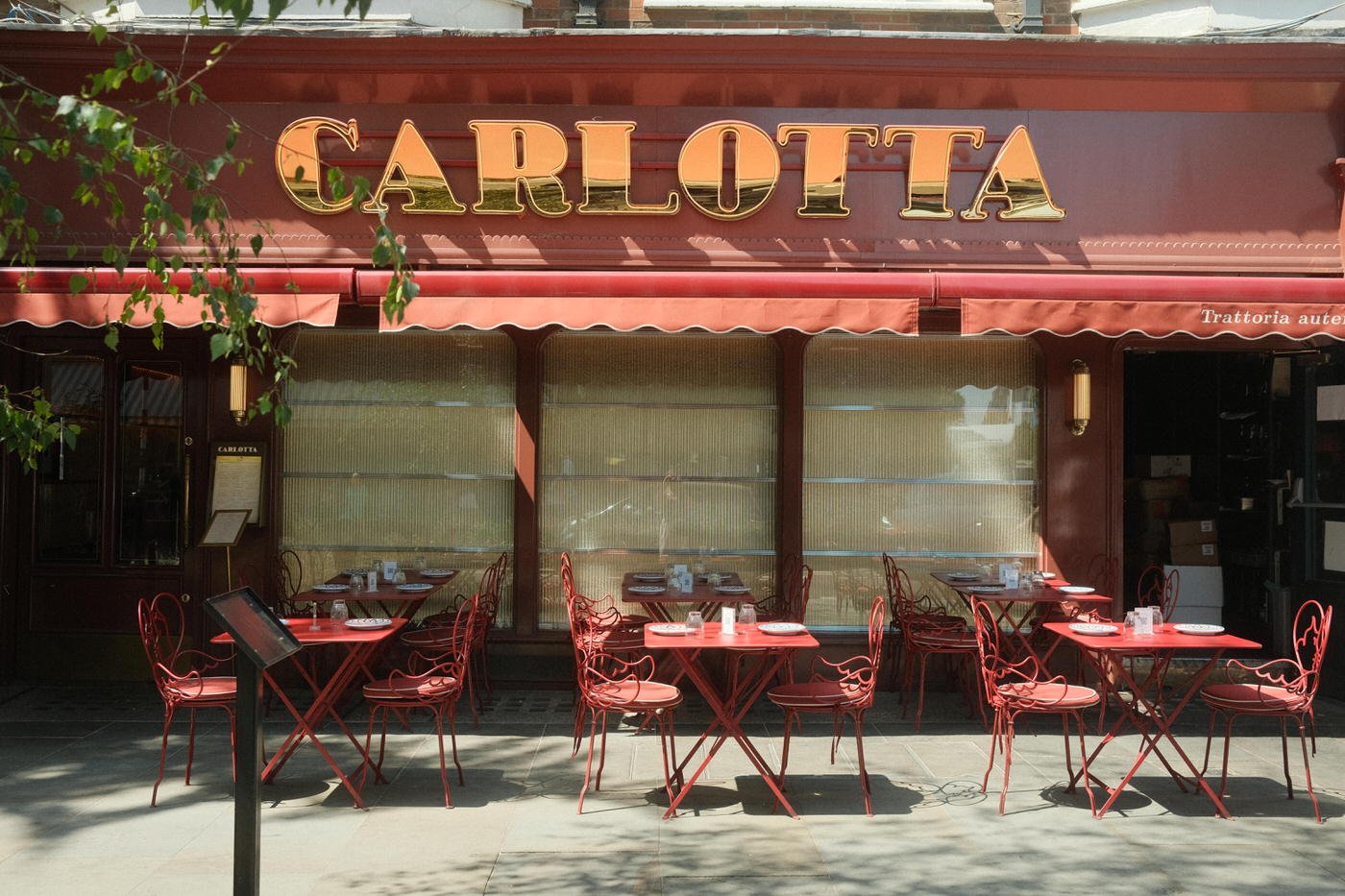
Carlotta for the most theatrical dining room in Marylebone. Past the velvet curtain you'll find Big Mamma group's Italian-American flagship: a Rosso Levanto marble bar made for late cocktails, a terrace built for long afternoons, and a retro-Italian look that's as much of the night as the food. - the Student Luxe team highly recommends!
Locanda Locatelli on Seymour Street: Michelin-starred, Italian, run for over two decades by Giorgio Locatelli, and still one of London's most reliably brilliant restaurants.
Orrery just off the High Street: a polished French dining room with floor-to-ceiling windows and a cheese trolley that takes some defeating.
Trishna on Blandford Street: contemporary Indian coastal cuisine, Michelin-starred, the kind of place that converts sceptics inside one meal.
Jikoni for inventive cross-cultural cooking served in a pink dining room you'll want to photograph.
Hoppers for Sri Lankan that's well worth queueing for.
St John Marylebone for nose-to-tail British classics; Le Relais de Venise for one perfect steak frites and no menu decisions.
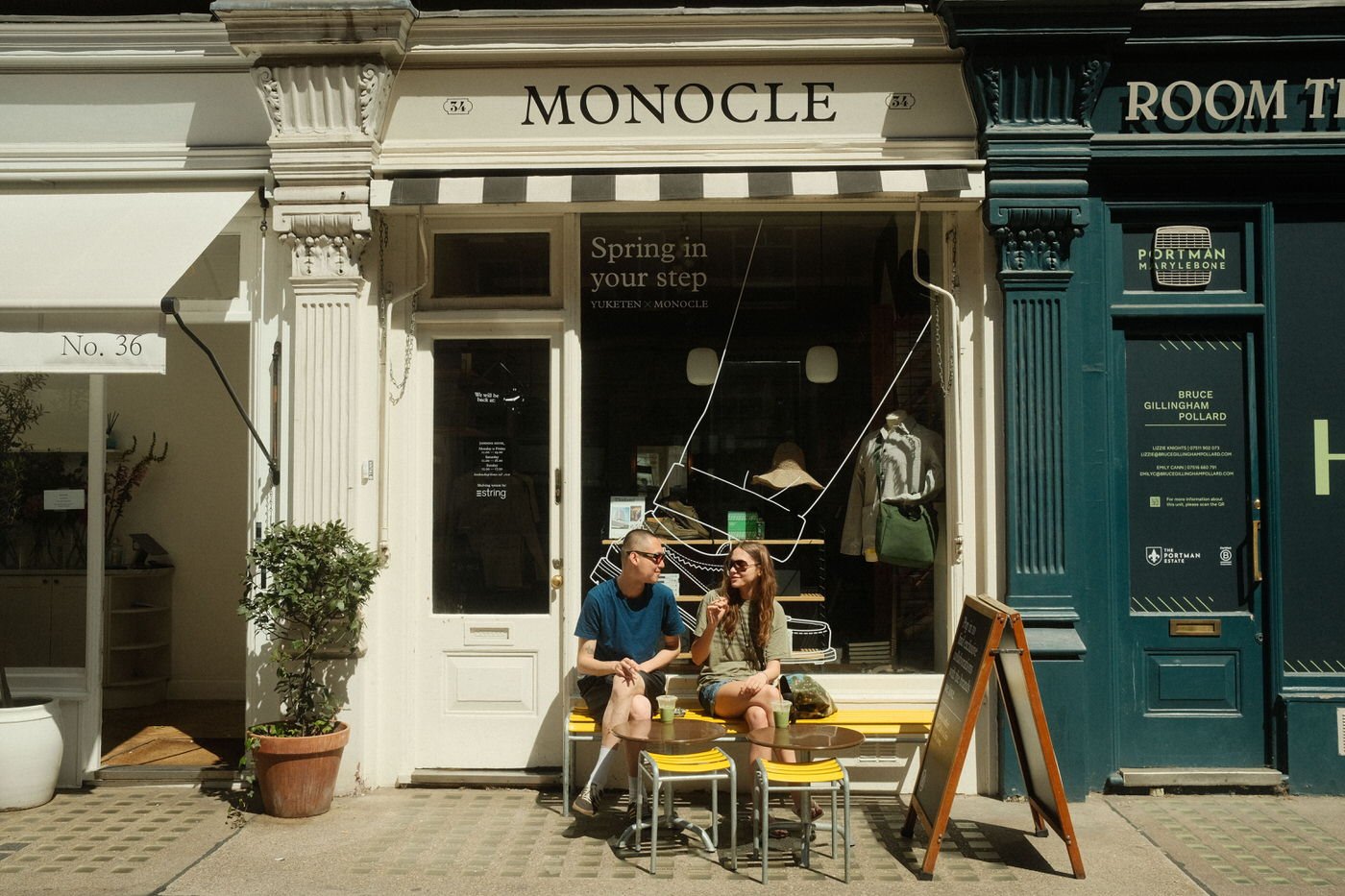
For breakfast or brunch on a study break: Granger & Co on the High Street, Daylesford Organic for the picnic-to-Paddington-Street-Gardens move, The Monocle Café on Chiltern Street for the matcha-and-cinnamon-bun combination, and WatchHouse for serious coffee.
The streets you'll actually live on
Each of Marylebone's main streets has its own personality:
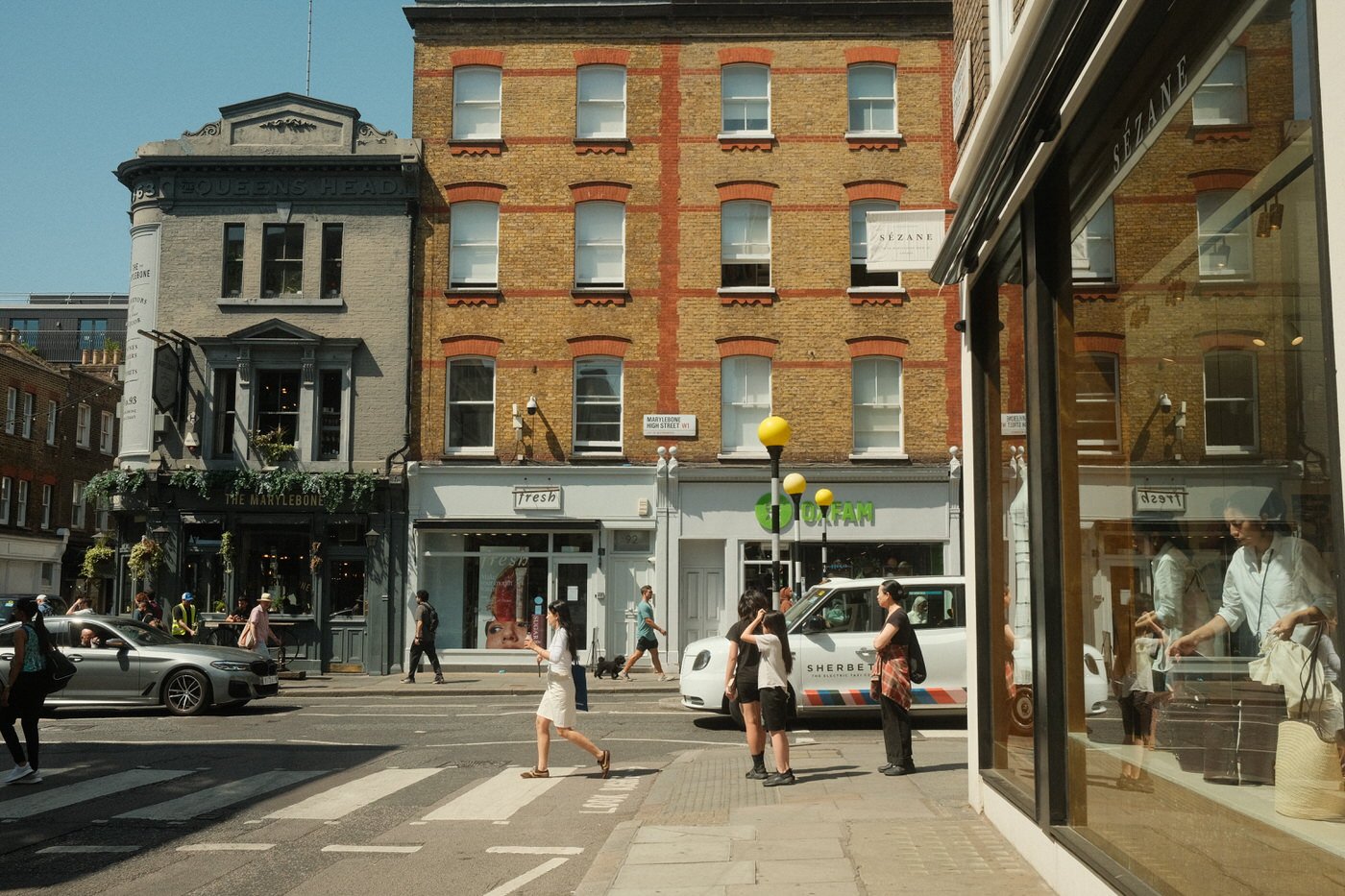
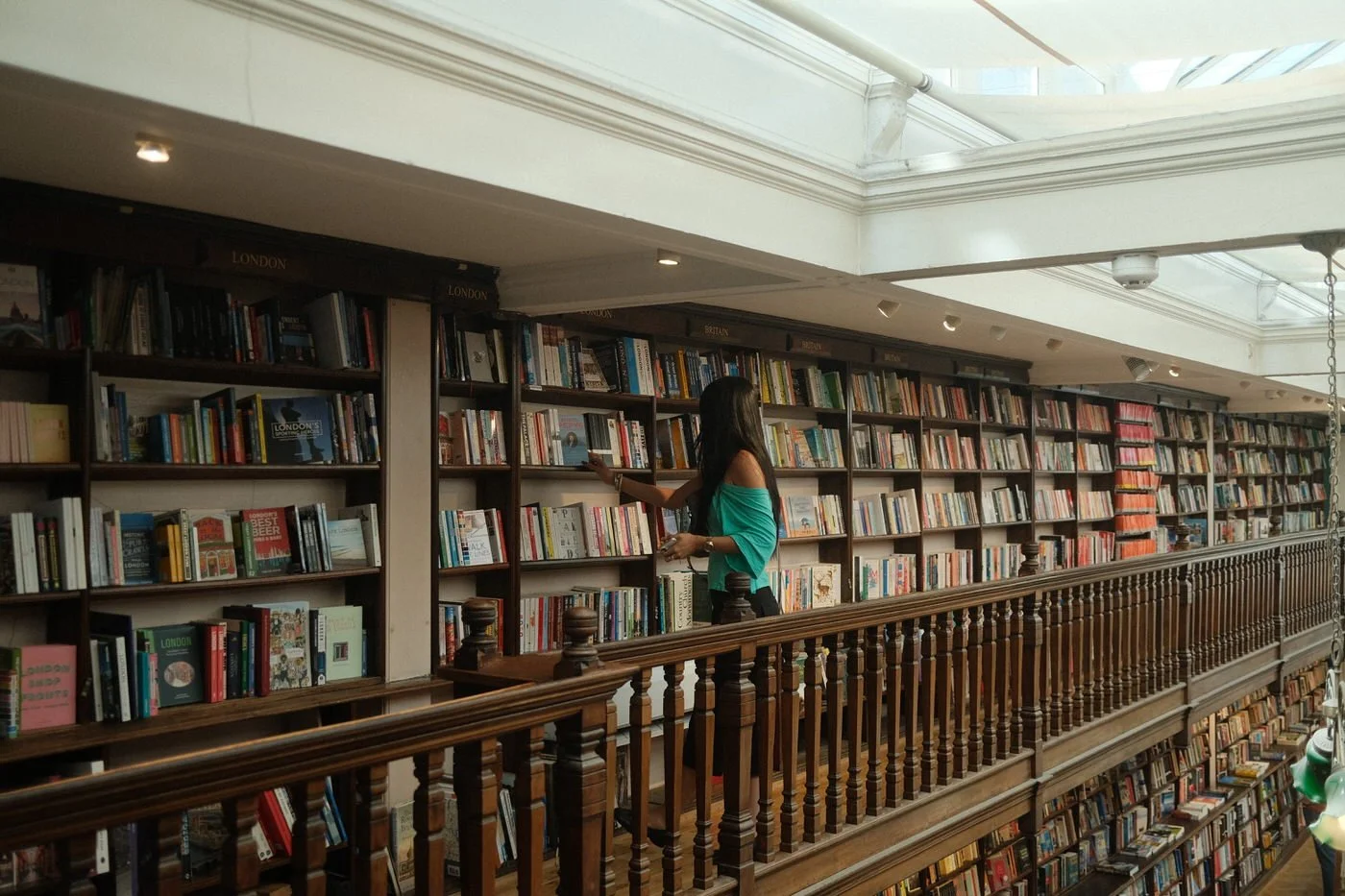
Marylebone High Street. The spine. Independent boutiques, Daunt Books in its Edwardian three-floor glory, La Fromagerie, The Ginger Pig, The Conran Shop, Paul Smith, Maje, Rixo, MatchesFashion. A high street that genuinely earns the word.
Chiltern Street. Quieter, more design-led, increasingly the area's coolest few hundred yards. Chiltern Firehouse, Trunk Clothiers, Bella Freud, Cire Trudon, Perfumer H, Monocle.
Moxon Street. The food street. Saturday farmers' market, The Ginger Pig, an embarrassment of artisan delis.
Wigmore Street and Wimpole Street. Quieter residential stretches with mansion blocks, the Royal Academy of Music nearby, and Wigmore Hall (one of the world's great chamber music venues).
Baker Street. The transport artery, but also where you'll find the Sherlock Holmes Museum, Madame Tussauds, and direct access to Regent's Park.
Crawford Street and Paddington Street. Quieter again, residential, with a clutch of excellent neighbourhood Greek restaurants and the gardens themselves.
Regent's Park on the doorstep
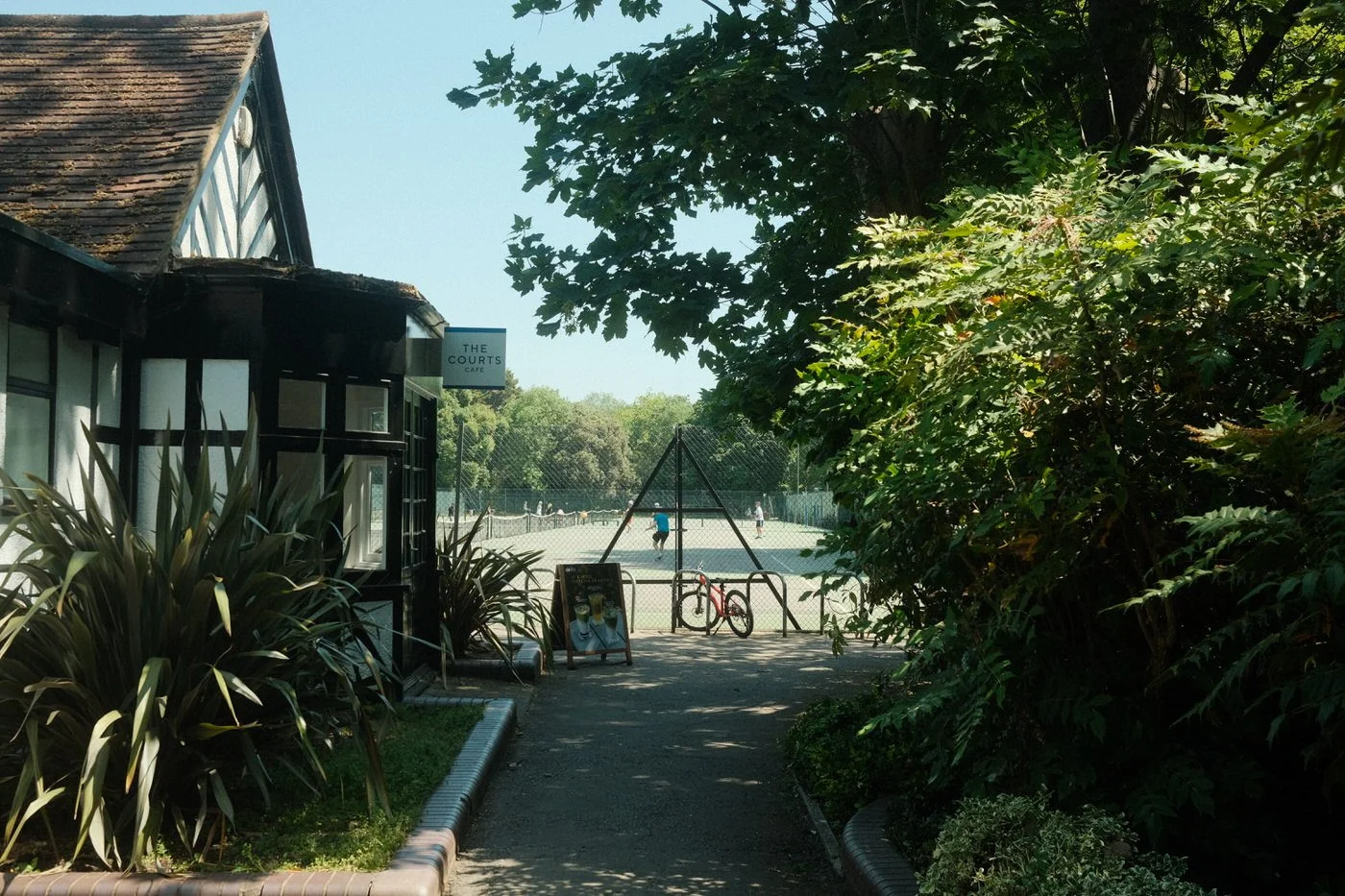
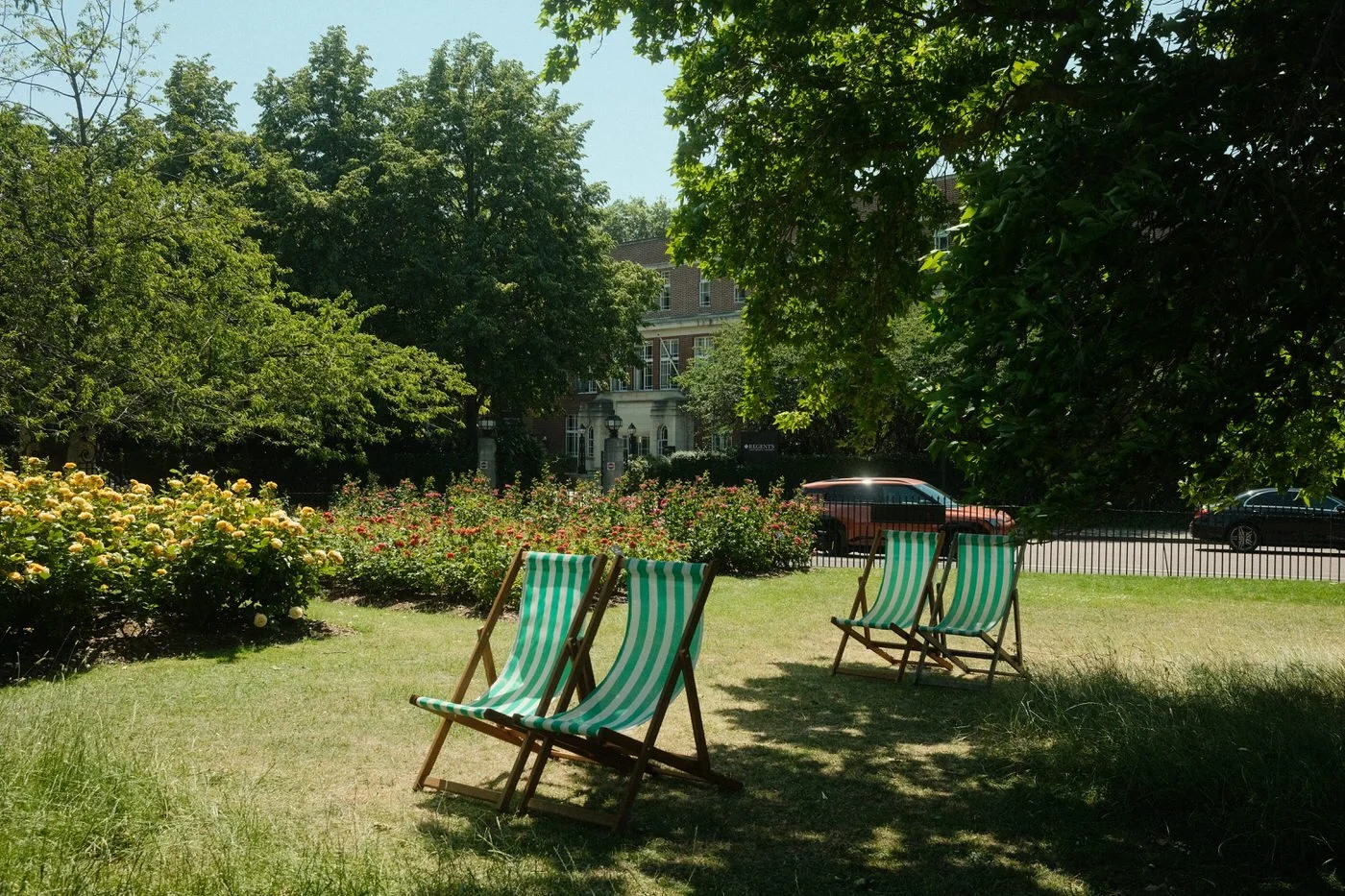
Marylebone's green credentials are unusually strong for central London. Regent's Park sits at its northern edge: 166 hectares of formal gardens, boating lake, the Open Air Theatre, London Zoo and Primrose Hill just beyond. It's the kind of space that genuinely changes how you live in a city.
Closer in, Paddington Street Gardens is the local lunch spot, and Portman Square Garden and Manchester Square (home to the Wallace Collection) offer the smaller, more formal Georgian garden experience. Hyde Park is a twenty-minute walk south. For a central London neighbourhood, you are remarkably well-supplied with somewhere to read outside.
The Royal Academy of Music, Marylebone
The University scene.
Marylebone is one of the best-connected neighbourhoods in central London, which matters when you're trying to be at a 9 a.m. seminar.
Baker Street (Bakerloo, Jubilee, Metropolitan, Circle, Hammersmith & City): more Tube lines than most of London, fast access to the City and the South Bank.
Bond Street (Central, Jubilee, Elizabeth): direct to King's (Tottenham Court Road interchange), LSE and UCL.
Marylebone Station (Bakerloo + National Rail): for the Chilterns, Oxford and Birmingham.
Paddington (Elizabeth line, Heathrow Express): a short hop from Marylebone, with the Heathrow Express getting you to the airport in 15 minutes once you're there. Door-to-door, you're looking at around 25-30 minutes to Heathrow, which is exceptional for central London.
Edgware Road and Oxford Circus: in walking distance for the West End and beyond.
The university picture is also unusually strong. Regent's University London sits inside Regent's Park itself. London Business School is at the park's north edge. Both are strong contenders for ‘coolest campus location’ in London - if not, Europe.
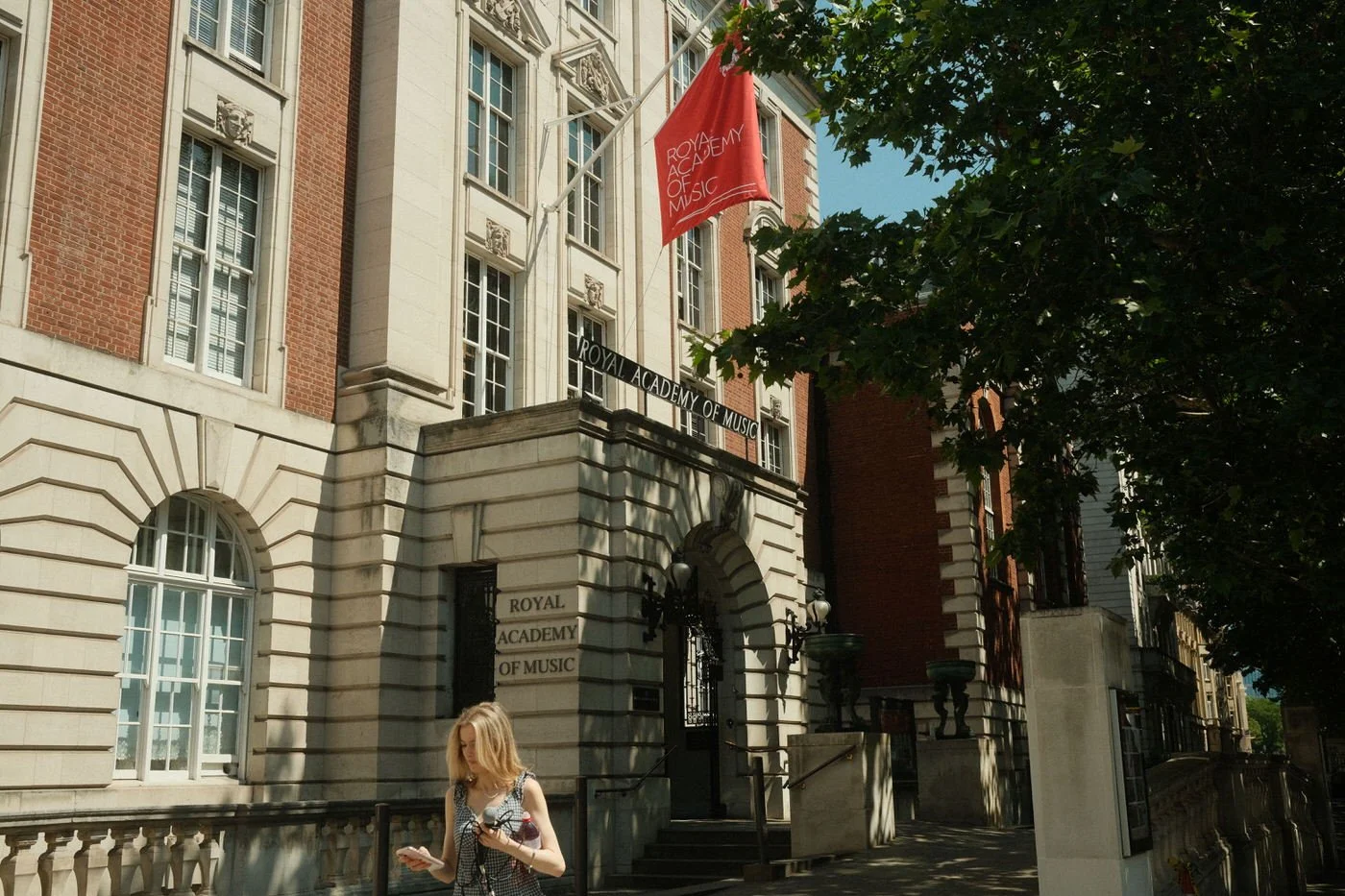
The University of Westminster's main campus is on Marylebone Road, and the Royal Academy of Music is on Marylebone High Street. Both UCL and Central Saint Martins are walking distance, and Imperial, King's and LSE are a short hop on the Tube.
For school-age siblings or younger family, the area is equally well-served: Wetherby, Francis Holland, Portland Place, Sylvia Young Theatre School, The King Solomon Academy, ICS London and St Marylebone CofE are all in or adjacent to the postcode.
So, is Marylebone the right choice for you?
Let's be honest about the trade-off. Marylebone sits in the heart of W1, and pricing here is among the highest in London. This isn't the postcode for cutting corners on rent.
What you're paying for, though, is one of the rarest things any capital city has to offer: a neighbourhood where almost everything you need is already on your doorstep. Your butcher, baker and bookshop are within five minutes of your door. So is your gym, your florist, your dry cleaner, and three coffee shops you can defend. Your park is Regent's Park. Your Tube stations are plural. You'll know your barista by the second week, and start to recognise the same families walking past your café table on a Saturday morning.
For a student or family moving to London from abroad, that combination matters more than you might expect. Belgravia is more discreet. Mayfair is grander. Notting Hill is louder. But Marylebone is the one where you stop commuting to your life and start living it.
Finding a luxury student apartment in Marylebone
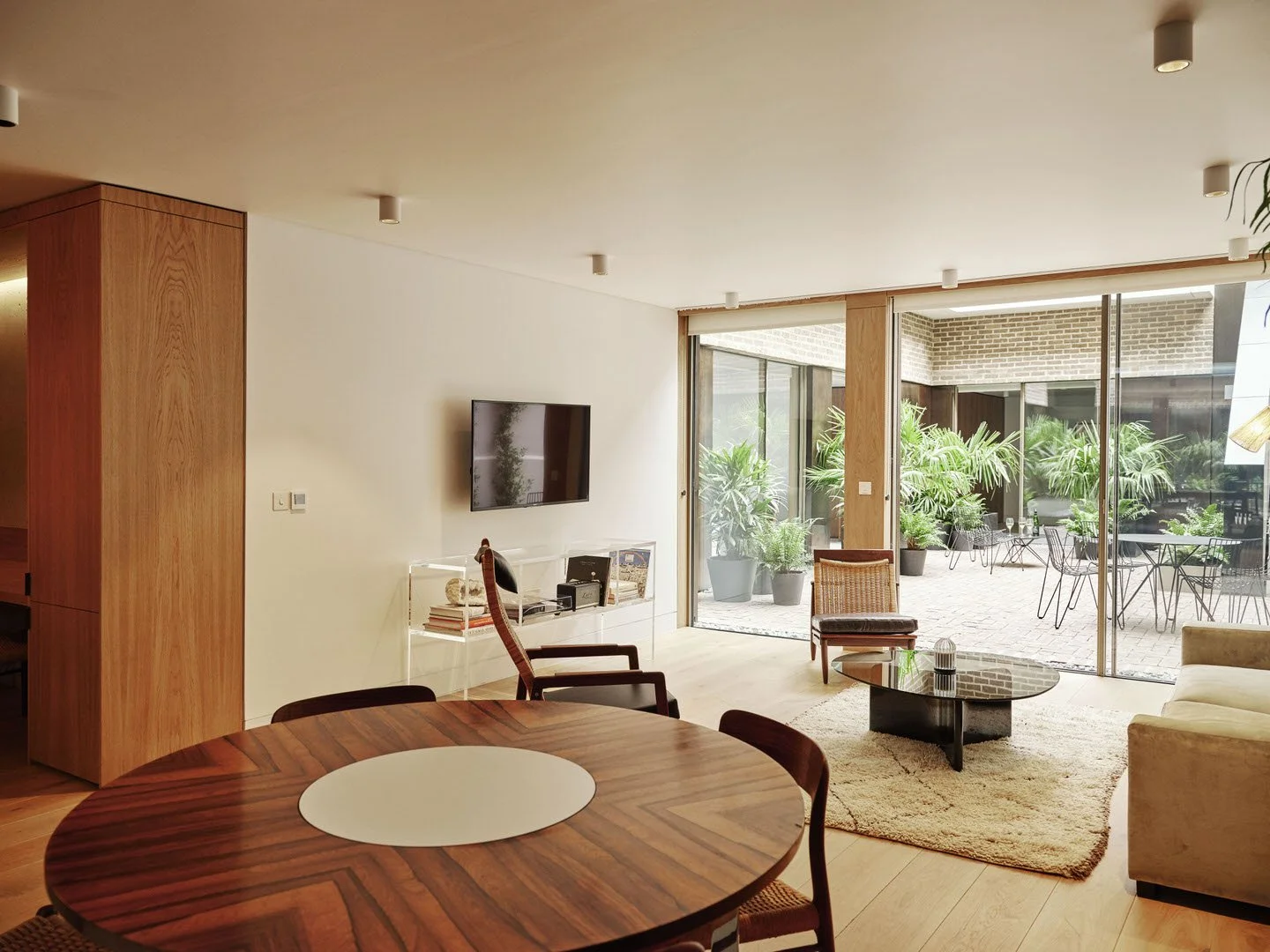
Marylebone is one of our most requested neighbourhoods, and our team know it inside out. Student Luxe is comfort, flexibility and service in one address: superior stays for your studies, and a serious upgrade on shared kitchens, shared bathrooms and cramped student lets. If you'd like to enquire about availability in Marylebone, we'd love to help you find the right address.
Available by enquiry only.